From Kitchen to Culture: The Jamaican Food Centennial Story
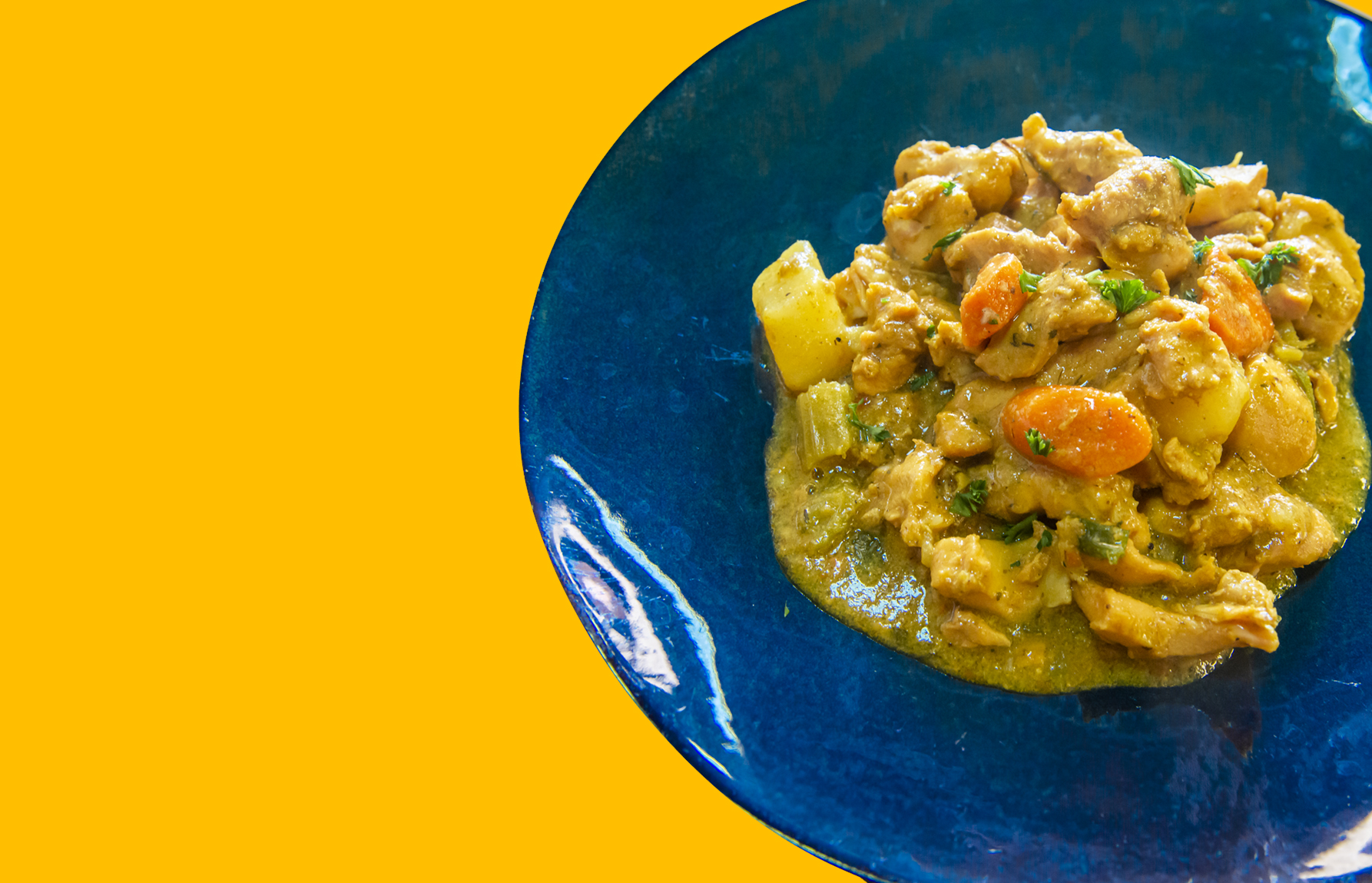
A century is a long enough stretch of time for a cuisine to travel from hearth to high street, from memory to market, from survival to celebration. That is the best way to understand the Jamaican food centennial story. It is not a neat timeline with one beginning and one outcome. It is a layered account of people carrying taste across generations, adjusting recipes to hard realities, and turning local cooking into one of the world’s most recognizable food identities.
Jamaican food did not become culturally powerful because it was polished for outsiders. It became powerful because it stayed close to the island’s history. Every familiar plate, whether it is ackee and saltfish at breakfast or jerk chicken sold from a roadside drum, carries traces of migration, colonial rule, resistance, scarcity, ingenuity, and pride. Food in Jamaica has always done more than feed the body. It marks class, region, celebration, mourning, faith, labor, and belonging.
When people speak about Jamaican cuisine now, they often start with the famous dishes. The more revealing place to start is the kitchen itself. Not the glossy restaurant pass, but the home kitchen where coconut milk is squeezed by hand, thyme is stripped from the stem, green bananas are boiled for breakfast, and a pot is left to simmer long enough for flavor to deepen without fuss. That kitchen, over roughly the last hundred years, shaped a culture that has become global.
A cuisine built by movement
To understand why Jamaican food tastes the way it does, you have to look at who came to the island, who was forced there, and what they brought with them. Indigenous Taíno influence survives in both technique and vocabulary, most famously in jerk, which began as a method of seasoning and slow cooking meat. Spanish occupation left jamaican food centennial traces, though less visibly than what followed. The British colonial period structured the economy around plantations and hierarchy, while the transatlantic slave trade brought Africans whose food knowledge became central to what Jamaica would eat and how it would cook.
Later came indentured laborers from India and China, along with Middle Eastern and other migrant communities, each adding ingredients, methods, and habits. That is why Jamaican food can feel at once deeply rooted and unusually wide-ranging. Curry goat makes perfect sense in Jamaica because Indian seasoning traditions met Caribbean livestock, island heat, and local preference. Fried rice sold in a Jamaican takeaway does not feel imported in the shallow sense. It feels natural because Chinese Jamaican cooking has been woven into daily life for generations.
What emerged over the twentieth century was not a museum cuisine. It was a living one, shaped by weather, wages, migration, and trade. Imported salt cod became national breakfast fare because preserved fish could travel and keep. Breadfruit, once introduced from elsewhere, became a staple that suited local cooking and economy. Callaloo, yam, cassava, plantain, and pigeon peas stayed central because they worked in local conditions and fed families well.
This is where the Jamaican food centennial story becomes more than a nostalgic slogan. Over one hundred years, the country’s foodways have shown how a people turn historical pressure into culinary character.
The home table as archive
Long before chefs spoke about storytelling through food, Jamaican households were already doing it. The archive was oral and practical. A grandmother corrected how dumplings were pinched. An uncle insisted that escovitch fish needed proper vinegar balance, not just heat. A mother judged a soup not by recipe cards but by aroma, thickness, and whether it “came together” after the Saturday simmer.
That phrase matters, because Jamaican cooking often relies on sensory judgment rather than strict measurement. Experienced cooks know when pimento has opened up in hot oil, when coconut milk has reduced enough for rice and peas, when a jerk marinade has penetrated deeply enough into meat to justify the firewood. Those forms of knowledge are not accidental or quaint. They are expertise.
Over the last century, the home table has also recorded changing social realities. In rural districts, one-pot cooking remained practical because it conserved fuel and stretched ingredients. In urban Kingston, as working hours and commuting patterns changed, patties and quick lunches became more important. Families with relatives abroad started adding imported items to pantries while still preserving familiar Sunday rituals. You can often date social change in Jamaica by what moved in and out of the cupboard.
There is also the matter of aspiration. For many working families in the twentieth century, certain dishes were tied to weekends or holidays because they required more meat, more time, or more money. Mannish water, curried goat, baked ham, fruit cake soaked in wine and rum, and a proper Christmas sorrel drink all carried the weight of occasion. Food announced that this day was set apart from ordinary life.
Jerk, the flame that traveled furthest
No dish better captures Jamaican culinary identity abroad than jerk. Yet jerk is often flattened in international conversation into “spicy grilled meat,” which misses its technique, heritage, and place. Traditionally, jerk was about preservation, concealment, seasoning, smoke, and patience. The use of pimento wood, Scotch bonnet, scallion, thyme, allspice, and slow heat creates something far more structured than simple barbecue.
On the island, you still find clear distinctions in practice. A roadside jerk pan in Boston, St. Andrew, or along a busy town road may produce a different flavor profile from an urban restaurant kitchen. Some cooks lean heavily into smoke. Others favor a wetter marinade, more scallion sweetness, or a fiercer pepper edge. Pork remains the classic benchmark for many purists, though chicken became the more common commercial choice because it is cheaper, faster to cook, and broadly accepted.
That trade-off tells an important story. The globalization of Jamaican food has depended partly on adaptation. Chicken jerk suits fast service and casual consumption. It also travels better across cultural and religious boundaries. Pork jerk may be the historical touchstone, but chicken helped make jerk international. The same tension runs through much of the cuisine. What survives globally is not always what began locally, yet the adaptation itself becomes part of the tradition.
A well-run jerk operation also reveals how Jamaican food culture values informality without sacrificing standards. The setup may look humble, a cut-drum grill, hand-painted sign, plastic containers, thick smoke in the evening air, but the cook’s skill is often exacting. Temperature control is judged by experience. Holding time matters. The ratio of char to moisture matters. Festival or bread on the side matters. In many places, that level of consistency is the difference between a tourist stop and a community institution.
Breakfast, starch, and the discipline of nourishment
Visitors often remember Jamaican breakfasts because they are substantial. Locals understand them as sensible. A country where physical labor historically mattered, where schoolchildren needed filling meals, and where food waste was rarely acceptable, developed breakfasts with staying power. Ackee and saltfish is the best known, but it sits in a broader field of morning meals built around starch, protein, and resilience.
Boiled green bananas, fried dumplings, roasted breadfruit, yam, plantain, mackerel rundown, liver, callaloo, porridge made from cornmeal, oats, peanut, or green banana, all reflect a practical understanding of nourishment. These dishes are not random pairings. They are assembled to sustain energy and make good use of what is available.
There is also a jamaican food centennial subtle regional and class story embedded in breakfast. In some households, imported cereals signaled modern convenience or upward mobility during parts of the twentieth century. Yet traditional breakfasts endured because they tasted better, filled people longer, and connected the family to inherited rhythms. Many Jamaicans who spent years abroad can describe, almost painfully, the first proper breakfast they ate upon returning home. It is not only the taste they missed. It is the order of the meal, the confidence of it, the sense that breakfast should anchor the day rather than pass through it.
Street food and the democracy of appetite
If the home kitchen preserves memory, street food spreads culture. Jamaican street food has always been one of the island’s most democratic spaces. Office workers, taxi drivers, market vendors, schoolchildren, laborers, and tourists all meet, at least briefly, in front of the same vendor.
Patties are a perfect example. Their portability made them ideal for modern urban life, but their popularity rests on more than convenience. A good Jamaican patty balances flaky crust, seasoned filling, and enough heat or savor to remain distinct even when mass produced. Over the past century, patties moved from small bakeries and local shops into industrial production and international export. That expansion did not erase their cultural role. If anything, it sharpened it. A frozen patty in London, Toronto, or New York carries memory differently from a hot patty bought in Half-Way Tree, but it still functions as an edible marker of home.
The same is true of pan chicken, soup men on a Saturday, roast corn, peanut vendors, and cup soup sold near transport hubs. Informal food economies have kept Jamaican food visible, affordable, and socially mixed. They have also trained generations of eaters to recognize quality quickly. Jamaicans can be exacting customers. They know when soup lacks depth, when curry is muddy, when fish has been overfried, when rice and peas is merely rice with peas.
That high expectation is one reason the cuisine retains integrity even as it commercializes. People who grow up with these foods usually know the difference between a dish that is merely labeled Jamaican and one that truly tastes of the island.
The market, the garden, and the pressure of price
Talk to any serious Jamaican cook and the conversation will eventually return to ingredients. Not branding, not plating, ingredients. Scotch bonnet that actually smells fruity before the heat lands. Thyme with real fragrance. Small onions when available. Fresh ginger with bite. A breadfruit that is ready, but not overripe. Fish from a trusted source. Goat that has the right maturity for curry, not too young and not too tough.
Markets have long been the pulse points of Jamaican food culture. Coronation Market in Kingston, town markets across parishes, roadside stalls, and backyard gardens all feed the national table. Over the last century, these spaces have also revealed economic strain. Hurricanes, drought, inflation, shipping costs, and tourism demand can all change what households buy and how often they buy it.
That is why any honest account of the Jamaican food centennial story has to include hardship. This cuisine is celebrated internationally, but at home it has often had to navigate rising food prices and inconsistent supply. Saltfish may be beloved, yet it can become expensive. Fresh produce can swing in price after storms. Traditional ingredients remain culturally important even when budgets tighten.
Cooks respond with the same adaptability that shaped the cuisine in the first place. More soup, more ground provisions, smaller portions of meat stretched with seasoning and technique, more reliance on what is in season, careful use of leftovers. Some of the most flavorful Jamaican cooking comes from exactly this discipline. When there is no room for waste, people learn to extract every bit of value from bones, trimmings, starches, and spices.
The restaurant era and the problem of polish
The modern restaurant scene in Jamaica has grown more ambitious over the past few decades. There are chefs refining classics, boutique hotels presenting heritage menus, and diaspora restaurants abroad introducing Jamaican food to diners who expect elegant service and curated experiences. This has brought deserved prestige. It has also created a tension worth examining.
Jamaican food does not always fit comfortably into fine dining frameworks. Its greatness often lies in abundance, smoke, texture, informality, and boldness. Oxtail should feel rich and generous. Pepper shrimp should be messy. A proper fish tea should taste restorative rather than decorative. Once a cuisine enters white-tablecloth spaces, there is always a risk that polish will dilute force.
The best chefs avoid that trap by refining technique without muting identity. They know that elevating a dish does not mean shrinking it into abstraction. A thoughtful chef can debone escovitch fish, control oil temperature with precision, or build a lighter stock for rundown, but if the result loses acidity, heat, and soul, the exercise has failed.
What works, in practice, is respect for structure. Jamaican dishes often have strong internal logic. Rice and peas is not just starch next to protein. It is a fragrant, coconut-rich companion designed to steady spiced meat and gravy. Pickapeppa sauce, hot pepper sauce, and chutneys are not garnish by accident. They manage richness and sharpen appetite. If a chef understands those relationships, modern presentation can succeed. If not, the plate may look expensive and eat flat.
Diaspora kitchens and the long-distance memory of taste
No centennial view of Jamaican food can stay within the island’s borders. Migration has been one of the most powerful engines of preservation and change. Jamaican communities in the United Kingdom, the United States, Canada, and elsewhere have built grocery stores, bakeries, takeaways, rum bars, and family restaurants that kept flavors alive when homesickness was still fresh.
Diaspora cooking often preserves older habits with surprising tenacity. Families abroad may cling to Sunday dinners more rigidly than relatives back home. They freeze grated coconut, guard trusted brands of seasoning, argue over the proper amount of browning in stew chicken, and spend serious money on imported Scotch bonnet, pimento, and sorrel because substitutions never quite satisfy.
At the same time, diaspora realities force improvisation. Collard greens may stand in for callaloo. Local fish varieties replace snapper. Weather affects produce quality. Apartment kitchens change ventilation, which changes how often people cook heavy smoke dishes indoors. Those compromises create new versions of Jamaican food, some temporary, some lasting.
There is a familiar scene in diaspora households that says a lot about this process. Someone opens a pot and says, “It nice, but it nuh taste like yard.” That sentence is not always criticism. Sometimes it is simply recognition that place matters. Water, climate, produce, charcoal, even appetite shaped by environment all leave their mark. Yet people keep cooking, because the act itself narrows distance.
Celebration, ritual, and the calendar of flavor
Jamaican food is inseparable from occasion. Certain dishes signal time as clearly as a church bell or school term. Christmas without sorrel, black cake, gungo peas, and a special meal feels incomplete to many families. Easter calls up bun and cheese. Independence season brings public celebration, and food vendors thrive wherever music and crowds gather. Funerals, nine nights, christenings, weddings, and harvest events all have their own food expectations.
This ritual dimension helps explain why the cuisine has endured so strongly over the last hundred years. Repetition gives food cultural authority. When a child grows up seeing the same smells, colors, and dishes attached to specific moments, food becomes part of emotional architecture. It is no longer just preference. It becomes identity.
Some of the strongest food memories in Jamaica are tied to labor and anticipation. The black cake fruit soaking for weeks. The barrel arriving from abroad with treats and pantry goods. The goat being seasoned from the night before. The sound of grater against coconut shell. The line forming around a soup pot on a Saturday afternoon. These are not small domestic details. They are how culture is made durable.
What the next hundred years may protect, and what they may change
Jamaican food is now global enough to be at risk from its own popularity. Once a cuisine becomes marketable, simplification follows. Jerk can become a generic flavor powder. Curry can be sweetened to fit timid palates. Rum cake can lose its density and purpose. Menus can flatten a whole national cuisine into three exportable items.
Still, there are reasons for confidence. Jamaican eaters remain vocal. Cooks remain proud. Farmers, vendors, bakers, and home cooks continue to define standards from the ground up. Social media, for all its noise, has also helped younger Jamaicans document recipes, celebrate regional differences, and challenge weak imitations. More people now understand that Jamaican cuisine is not a novelty category. It is a serious culinary tradition with complex roots and high technical demands.
If the next century is kind, the future will belong to those who can hold both memory and adaptation. That means protecting agricultural knowledge, supporting local producers, teaching younger cooks the old methods, and making room for innovation that does not sever the food from its history. It also means recognizing that the strongest ambassador for Jamaican cuisine has never been branding alone. It has been flavor backed by confidence.
The story of Jamaican food over the last hundred years is really a story of endurance with style. It is a cuisine that learned to season deeply because life demanded depth. It learned to share because scarcity was common. It learned to celebrate because joy needed a place to land. From kitchen to culture, from family pot to export market, from country fire to city lunch counter, Jamaican food has done what the greatest cuisines do. It has made history edible, and in doing so, unforgettable.
Reggae Pot Jamaican Grill
Address: 7562 S University Blvd C, Centennial, CO 80122
Phone number: +13039975623
FAQ About Jamaican Food Centennial
What is typical Jamaican food?
Typical Jamaican food features bold, vibrant flavors created by blending African, Taino, European, and Asian influences.
What is a famous Jamaican dish?
The most famous Jamaican dish is Ackee and Saltfish, which is the national dish of Jamaica.
What are the top 10 foods to eat in Jamaica?
AI Overview The top 10 traditional foods to eat in Jamaica are bold, flavorful dishes that mix local ingredients with global influences.