Celebrating Jamaican Food Centennial: 100 Years of Flavor and Tradition
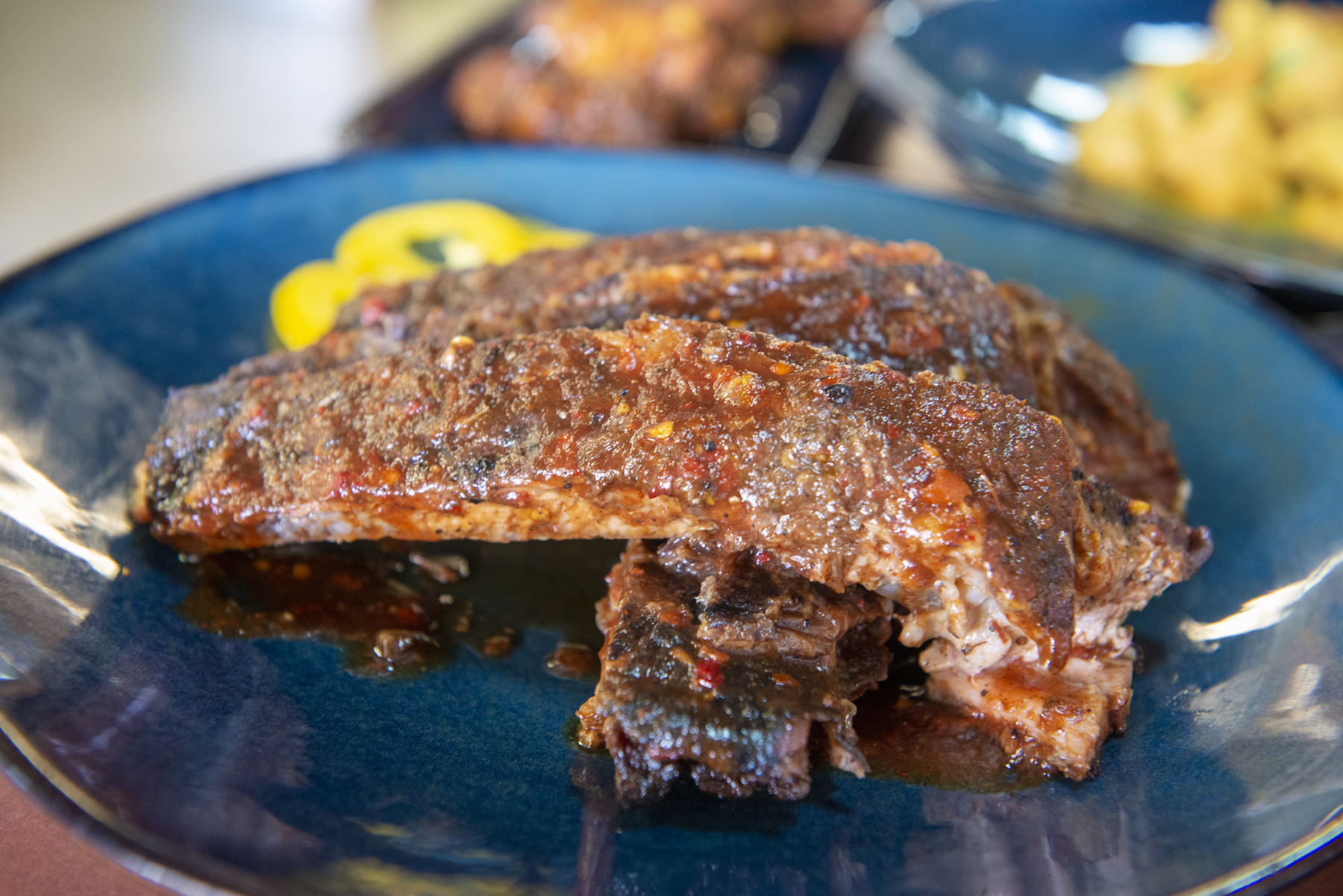
A centennial invites a certain kind of reflection. It asks us to look back far enough to see patterns, not just moments, and close enough to notice the hands that carried those traditions forward. When the subject is Jamaican food, that reflection becomes especially rich. A hundred years of recipes, migration, market life, farming, street vending, church gatherings, hotel dining rooms, and family Sunday dinners reveal something larger than cuisine alone. They reveal endurance.
The phrase jamaican food centennial carries a ceremonial note, but the story itself is deeply practical. It lives in cast iron pots blackened by years of use, in the sting of Scotch bonnet on the fingertips, in the smell of scallion and thyme hitting hot oil, and in the patient timing required to get a pot of rice and peas exactly right. Jamaican cooking has always balanced celebration with necessity. It has had to feed people well, stretch ingredients wisely, and preserve cultural memory under changing social and economic conditions.
That is one reason Jamaican food continues to command such emotional loyalty, both on the island and across the diaspora. It is not simply delicious, though it certainly is that. It is a cuisine shaped by discipline, improvisation, and an almost instinctive understanding of how flavor is built over time.
A century told through the plate
Looking at Jamaican food over the last hundred years means resisting the temptation to treat it as static. The best cooks never do. Traditions endure because people protect their essentials while adapting to circumstance. Jamaican food has evolved through rural and urban shifts, colonial legacies, global trade, tourism, local agriculture, migration to Britain, Canada, and the United States, and changing access to imported goods. Yet the food remains unmistakably Jamaican because its core values have stayed recognizable.
Those values are easy to taste. Seasoning matters. Texture matters. Heat matters, but not heat for its own sake. Balance matters most of all. A proper escovitch fish needs acid to cut through richness. Curry goat should carry warmth, depth, and a certain roundness from slow cooking. Jerk, whether pork or chicken, should taste smoky, fiery, and aromatic at once, not merely spicy. Even a humble side like fried plantain relies on contrast, soft sweetness against savory intensity elsewhere on the plate.
Over the last century, that balancing instinct has turned everyday dishes into cultural markers. Rice and peas, usually cooked with coconut milk, thyme, scallion, and Scotch bonnet, is not just an accompaniment. It signals Sunday lunch, family gathering, or a meal meant to be taken seriously. Mannish water, often served at large functions, carries the atmosphere of an event before the main dishes even arrive. Festival, crisp outside and tender inside, says something about Jamaican hospitality that words often cannot.
The roots run deeper than a hundred years
A centennial frame is useful, but Jamaican food was old long before the last hundred years began. Its foundations draw from Indigenous, African, European, Indian, Chinese, and Middle Eastern influences, then transform those influences into a distinct local language of taste. That matters because Jamaican cuisine is often discussed through famous dishes alone, when its real brilliance lies in technique and adaptation.
African foodways shaped the use of ground provisions, stews, one-pot cooking, and a practical respect for every usable ingredient. British colonial presence influenced salted fish imports, puddings, baking methods, and aspects of formal dining. Indian indentured laborers brought curry traditions, spice habits, and a comfort with legumes and slow-cooked savory gravies. Chinese Jamaicans contributed significantly to retail food culture and to dishes that merged local ingredients with wok technique and seasoning preferences. Out of that layered history came a food culture that does not imitate its sources. It absorbs and remakes them.
Ackee and saltfish is a fine example. The ackee fruit has West African origins, while salted cod arrived through trade networks tied to colonial economics. In Jamaica, those ingredients became inseparable from one another and eventually became a national dish. That transformation says a great deal about Jamaican food. It takes ingredients with difficult histories and turns them into something intimate, flavorful, and communal.
Jerk, the international ambassador that still rewards patience
No discussion of Jamaican food across a hundred years can avoid jerk, though it deserves more seriousness than it often receives abroad. Too many menus reduce jerk to a generic spicy rub. Real jerk is a method, a flavor architecture, and historically a means of preservation and cooking developed under difficult conditions.
Traditional jerk seasoning relies on allspice and Scotch bonnet as its unmistakable backbone, with thyme, scallion, garlic, ginger, and other seasonings building layers around that center. The smoking process, often associated with pimento wood, contributes far more than char. It creates aroma that lingers differently on pork than on chicken, and it demands judgment. Too much smoke and the seasoning gets buried. Too little and the result tastes incomplete.
Anyone who has stood near a roadside jerk pan in Jamaica knows that the experience is not only about the first bite. It begins with the smell carried down the road well before the stand comes into view. It continues with the sound of meat being turned, chopped, and wrapped, often with bread or festival tucked beside it. Good jerk reveals the cook’s restraint. The pepper burns, yes, but it does not flatten the palate. The spice should open the appetite, not punish it.
Over the last hundred years, jerk has moved from localized tradition to global signature. That success is worth celebrating, but it comes with a trade-off. Once a dish becomes internationally marketable, shortcuts multiply. Bottled sauces replace careful marination. Liquid smoke substitutes for proper cooking. Sugar is overused to make the flavor more immediately crowd-pleasing. A genuine jamaican food centennial celebration should make room for popularity, but it should also defend standards.
The Sunday table and the discipline of home cooking
If jerk is the cuisine’s public face, home cooking is its heartbeat. Jamaican food’s deepest traditions survive not in branding campaigns but in kitchens where recipes are felt more than measured. Ask an experienced Jamaican cook how much thyme to add to a soup or exactly when to drop dumplings into boiling liquid, and the answer may come with a shrug. The knowledge sits in the wrist, the eye, the nose.
Sunday dinner remains one of the strongest carriers of that knowledge. Across many Jamaican homes, Sunday meals are still treated differently from weekday meals. They are fuller, slower, and more ceremonial. Rice and peas appears often. So does chicken, fish, or beef prepared with intention rather than haste. Macaroni and cheese may arrive on the table in some households, heavily baked and browned at the top. Salad offers freshness, but no one mistakes it for the center of attention.
What stands out in these meals is the careful sequencing. Season meat early. Wash and prep vegetables before the stove gets crowded. Taste the pot as it develops. Let cooked food rest. None of that sounds dramatic, but it is exactly how strong food traditions survive a century. They survive because ordinary cooks repeat worthwhile habits week after week until those habits become family inheritance.
I have often found that the best Jamaican meals are not the most elaborate ones. A bowl of red peas soup on a rainy day, if properly seasoned and given enough time, can carry more authority than a flashy restaurant plate. The same is true of brown stew chicken made by someone who understands browning, moisture control, and the difference between simmering and boiling. Jamaican food rewards cooks who respect process.
Street food, bakeries, and the quick meals that define a nation
One mistake outsiders make is assuming Jamaican food is only about grand national dishes. In reality, the daily rhythm of eating tells just as much of the story. Patties, coco bread, cornmeal porridge, roasted yam, roadside soup, fried fish sold by the sea, and little bakery purchases made on the way home all belong to the centennial story.
The Jamaican patty deserves particular attention because it sits at the crossroads of convenience and identity. It is fast food, yes, but it is also culturally loaded. The crust matters. Too pale, too thick, or too brittle and it disappoints immediately. The filling must be assertively seasoned, whether beef, chicken, vegetable, or another variation. A proper patty should eat cleanly enough to handle on the move, yet richly enough to feel satisfying. That combination is harder to achieve than it looks.
Porridge plays a quieter role but an equally important one. Cornmeal porridge, peanut porridge, and plantain porridge have nourished generations. These are not merely breakfast staples. They are examples of Jamaican cooks understanding comfort, thrift, and satiety. A good porridge is smooth, fragrant with spice, and substantial without becoming heavy. It demonstrates how much care can go into food that some people casually dismiss as simple.
Street and bakery foods also show how Jamaican cuisine has adapted to modern jamaican food centennial schedules. Over the last hundred years, urbanization and commuting changed how people ate. Quick meals became more necessary, but the demand for strong flavor never faded. Jamaican food proved unusually resilient here. It could move into lunch counters, takeout shops, school canteens, and transport hubs without losing its character.
Rural ingredients, seasonal logic, and the intelligence of the land
The centennial story is incomplete without agriculture. Jamaican food depends on more than recipes. It depends on yam, cassava, breadfruit, callaloo, plantain, coconut, thyme, pimento, ginger, sorrel, and countless other ingredients grown, harvested, traded, and cooked under local conditions. A cuisine shaped on an island learns quickly that seasonality is not an abstract ideal. It is everyday reality.
That reality has always encouraged flexibility. Breadfruit might be roasted, boiled, or turned into something new depending on ripeness and need. Callaloo can appear as a breakfast side, in a sauté, or folded into broader combinations. Green bananas and yam serve not just as starch but as structure, giving a plate weight and identity. Ground provisions, often overlooked in glamorous restaurant portrayals, remain essential to understanding how Jamaican people have eaten across generations.
There is real intelligence in how these ingredients are used. Consider soup. Jamaican soups are often substantial enough to function as full meals, combining meat, provisions, dumplings, and herbs into a single pot. This is culinary efficiency, but it is also a way of extracting flavor and nourishment from what is available. The result is deeply satisfying food that does not pretend scarcity is a virtue, yet knows how to cook gracefully within limits.
Climate pressure, import costs, and changing farming patterns continue to affect what reaches the kitchen. That creates tension. Celebrating a hundred years of Jamaican food means honoring tradition without pretending ingredient access has remained stable. Some cooks have had to substitute. Others have reduced portion sizes or changed methods to keep businesses viable. The tradition persists not because conditions are easy, but because cooks remain inventive.
The diaspora changed the menu, and kept it alive
No serious account of Jamaican food over the last century can stay within the island’s borders. Jamaican communities abroad helped preserve, market, reinterpret, and sometimes challenge the cuisine. In London, Toronto, New York, Miami, and many other cities, Jamaican food became both comfort and livelihood. Small restaurants, takeout counters, family catering operations, and bakery businesses carried familiar flavors to new generations.
Diaspora cooking often involves negotiation. Some ingredients are expensive or inconsistent. Local diners may expect different levels of heat. Health regulations, labor costs, and commercial kitchen constraints can alter how food is prepared. A jerk pit on a street corner and a jerk chicken quarter from a city restaurant do not emerge from the same environment, even if the ambition is similar.
Yet some of the most moving Jamaican meals I have had were outside Jamaica, precisely because they carried an extra layer of effort. A cook in another country often has to fight harder for authenticity, or at least for integrity. They may need to source proper thyme, insist on the right pepper, or educate customers who think every Caribbean dish should taste sweet. That labor matters. It is part of the jamaican food centennial story too.
Diaspora communities also broadened the cuisine’s public image. They helped popularize dishes that might once have been seen as too local, too spicy, or too unfamiliar for mainstream acceptance. At the same time, commercial success sometimes pushed a narrow version of Jamaican food, heavily centered on jerk and patties, while underrepresenting soups, steamed fish, rundown, pumpkin-based dishes, or old-fashioned puddings. A centennial celebration is a good moment to widen the lens again.
Restaurants, hotels, and the tension between refinement and honesty
Jamaican food has spent the last hundred years moving between home table, roadside stand, formal dining room, and resort buffet. Each setting changes the food slightly. Fine dining can spotlight ingredient quality, plating, and technical precision. Casual food stalls often preserve immediacy, smoke, texture, and the force of seasoning. Neither format has a monopoly on truth.
The strongest modern Jamaican chefs understand that refinement should not erase the soul of a dish. Escovitch fish still needs sharpness. Pepper shrimp still needs its assertive kick. A reworked breadfruit course still has to honor breadfruit’s earthy, starchy charm, not disguise it under elaborate garnish. There is room for innovation, but not for embarrassment about the original.
That distinction matters. Some cuisines have been permitted to modernize without being stripped of their roots. Jamaican food deserves the same respect. When chefs reinterpret classics with care, they contribute to the next hundred years. When they dilute them to fit generic expectations, they weaken the tradition they claim to celebrate.
A useful standard is simple enough: if a dish is modernized, does it still taste like it belongs to Jamaica? Not just geographically, but emotionally and structurally. If the answer is yes, innovation can be welcome. If not, the dish may be polished yet forgettable.
What deserves special protection in the next hundred years
A centennial is not only retrospective. It raises a practical question about what should be protected now so that future generations inherit more than a marketing slogan. In Jamaican food, the most important things to protect are often the least glamorous: ingredient knowledge, cooking methods, seasoning discipline, and intergenerational teaching.
Some dishes survive because they are profitable. Others survive because grandmothers, fathers, aunties, neighborhood cooks, and church volunteers refuse to let them disappear. That unpaid guardianship has always been one of the great strengths of Caribbean food culture. It deserves to be recognized plainly.
The priorities are not mysterious:
- Preserve cooking knowledge in families, not just in restaurants.
- Support local growers of key ingredients where possible.
- Teach the difference between true seasoning and bottled shortcuts.
- Document lesser-known dishes before they slip out of common use.
- Celebrate regional variation instead of forcing one national template.
Those priorities may sound modest, but they touch the core of culinary continuity. A cuisine survives because people keep making it well, keep arguing about what “well” means, and keep feeding it to children until the taste becomes memory.
Why this centennial feeling matters
Food anniversaries can become sentimental if they focus only on pride. Jamaican food deserves pride, certainly, but it also deserves honest attention to the labor behind it. Every memorable dish carries somebody’s work, often invisible work. Someone cleaned the fish, grated the coconut, shelled the peas, watched the fire, shopped around high prices, or stood for hours over a pot so that a family gathering or community event could feel complete.
That is what gives a celebration of 100 years of flavor and tradition its weight. Jamaican food is not important because it photographs well or travels well on social media. It is important because it has fed people through joy, migration, hardship, routine, and ceremony. It has given language to identity when other forms of belonging felt uncertain.
The jamaican food centennial is therefore more than a theme. It is a reminder that cuisine is one of the most durable forms of cultural memory. You can hear history in music and read it in archives, but you can also taste it in a spoonful of soup, a piece of roast breadfruit, or the peppered edge of a plate of jerk. Jamaican food has spent the last century proving that tradition is not a museum piece. It is a living practice, sharpened by use, carried by ordinary people, and renewed every time a good meal reaches the table.
If the next hundred years are to be worthy of the last, the task is clear enough. Keep the standards high. Keep the stories attached to the dishes. Keep teaching the younger cooks why the details matter. And keep making the food with the kind of care that turns flavor into heritage.
Reggae Pot Jamaican Grill
Address: 7562 S University Blvd C, Centennial, CO 80122
Phone number: +13039975623
FAQ About Jamaican Food Centennial
What is typical Jamaican food?
Typical Jamaican food features bold, vibrant flavors created by blending African, Taino, European, and Asian influences.
What is a famous Jamaican dish?
The most famous Jamaican dish is Ackee and Saltfish, which is the national dish of Jamaica.
What are the top 10 foods to eat in Jamaica?
AI Overview The top 10 traditional foods to eat in Jamaica are bold, flavorful dishes that mix local ingredients with global influences.