Caribbean Food Centennial: The Most Memorable Dishes of the Century
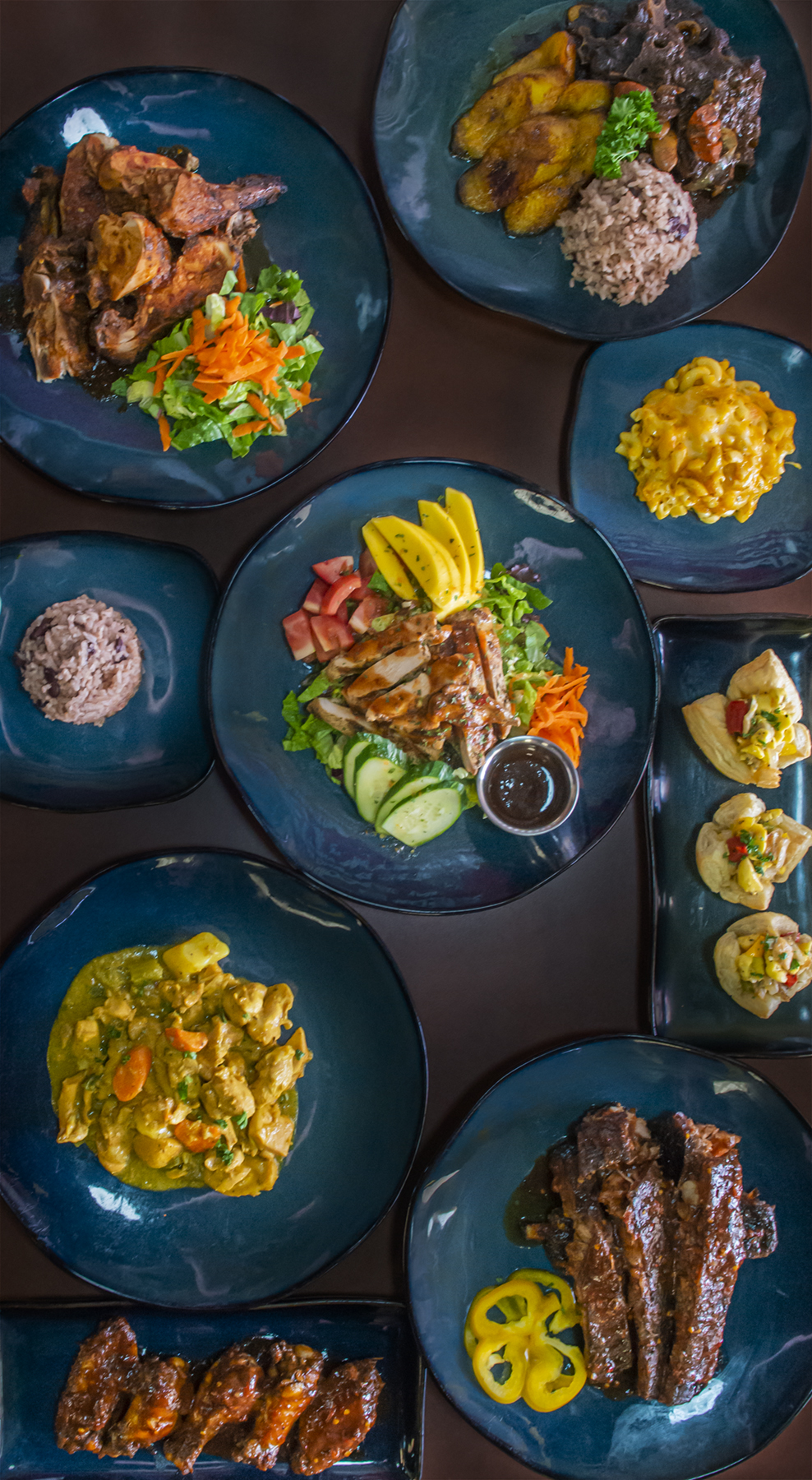
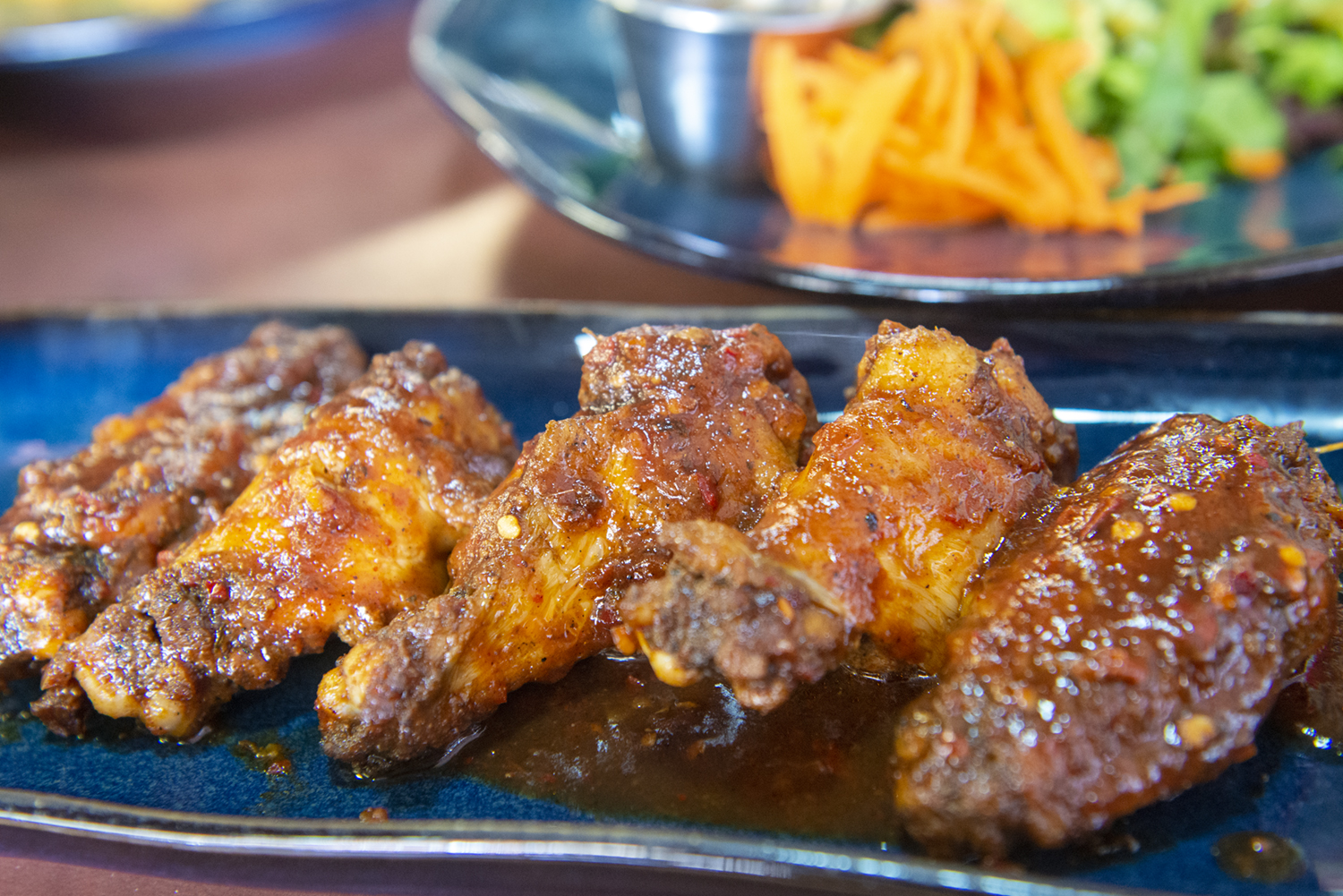

A century is long enough for a cuisine to change its shape without losing its soul. Caribbean cooking proves that better than almost any food tradition I know. Across the region, recipes have crossed islands, languages, and empires. Ingredients once treated as necessity foods became luxury exports. Street snacks moved into dining rooms, hotel menus, and cookbooks. Home cooks preserved techniques that formal culinary institutions often ignored. When people talk about a caribbean food centennial, they are really talking about memory: what families kept, what markets carried, what migration transformed, and what dishes still make people stop talking when they hit the table.
The Caribbean is not one cuisine, and anyone who has spent time eating seriously in Kingston, Port of Spain, San Juan, Bridgetown, Castries, Nassau, or Havana knows how quickly that simplification falls apart. Still, a few dishes have carried extraordinary weight over the last hundred years. They are memorable not just because they taste good, though they certainly do. They matter because they tell the truth about the region’s history, from Indigenous foodways and African survival cooking to Indian indentureship, Chinese migration, European colonial rule, and the modern realities of tourism and diaspora life.
What follows is not a ranking. Caribbean food does not submit neatly to that kind of treatment. This is a considered look at the dishes that have defined the last hundred years most vividly, the ones that have endured in homes, festivals, roadside stalls, canteens, and national debates.
What makes a dish unforgettable in the Caribbean
The most memorable dishes tend to have four qualities. They are deeply local, but adaptable. They are tied to ritual, whether Sunday lunch, Carnival, Christmas, Easter, or a wake. They usually balance abundance with thrift, which is one of the great signatures of Caribbean cooking. And they reward patience. Few truly important dishes from the region are rushed. Good seasoning takes time. Tough cuts need time. Ground provisions need time. Rice cooked correctly, whether with peas, pigeon peas, coconut, or stock, asks for attention.
That patience is part of why certain dishes stayed central through decades of economic swings and changing tastes. You can modernize presentation, reduce salt, trim fat, or swap proteins when necessary, but the structure of the dish survives because it was built to survive hardship in the first place.
Jerk, the Caribbean’s most famous language of fire
No dish or style from the English-speaking Caribbean has traveled farther than jerk. Jamaica made it globally legible, but its roots run older and deeper than its modern restaurant version suggests. Jerk is technique as much as recipe, and that distinction matters. The seasoning blend, whether it leans heavily on scallion, thyme, Scotch bonnet, allspice, ginger, garlic, and pimento wood smoke, is only part of the story. The cooking method, traditionally slow over green pimento wood or charcoal, creates the flavor people remember.
Good jerk should not taste like anonymous heat. It should taste layered: sweet spice, smoke, herbal freshness, salt, and a clean, assertive burn that arrives in waves. Too often outside Jamaica, jerk becomes a blunt marinade dumped over chicken breasts and cooked too fast. The real thing lives in the darker meat, in pork with rendered edges, in roadside smoke, and in the tension between charred exterior and juicy interior.
Over the century, jerk evolved from a specifically Jamaican practice associated with maroon ingenuity and rural cooking into a symbol of national pride and exportable identity. That rise matters in any serious discussion of the caribbean food centennial. Jerk is memorable not because it is everywhere, but because it survived being commercialized. Even after supermarket reggaepotjamaicangrill.com caribbean food centennial sauces and airport food courts flattened the idea, the best jerk remained unmistakably itself.
Rice and peas, where everyday cooking becomes cultural memory
Ask enough Caribbean people what dish tastes most like home and you will hear some version of rice and peas, even if the island and recipe change. In Jamaica, the phrase usually means rice cooked with kidney beans or gungo peas, coconut milk, thyme, scallion, and Scotch bonnet. Elsewhere, rice may be paired with pigeon peas, black-eyed peas, or red peas, and the seasonings shift accordingly. The name can confuse outsiders, but the emotional clarity is absolute.
What makes rice and peas memorable is its role as architecture. It is not always the star on the plate, but it holds everything together. It absorbs gravy from stewed meats, offsets fried fish, and sits naturally beside curried dishes. In many homes, Sunday dinner without it feels incomplete. That kind of weekly repetition is how a dish becomes historic. Not by spectacle, but by dependable presence.
I have always thought rice and peas demonstrates one of the region’s best culinary habits: making staples taste ceremonial. Coconut milk alone changes the texture and perfume of the rice. Thyme adds a green seriousness. A whole Scotch bonnet, left intact in the pot so it infuses without rupturing, gives warmth rather than aggression. These are not extravagant interventions. They are disciplined ones.
Callaloo, a pot that holds the region together
Few foods reveal the Caribbean’s shared logic better than callaloo. Depending on where you are, the word may describe a leafy green, a soup-like preparation, or a more elaborate side dish enriched with coconut milk, okra, crab, salted meat, onions, peppers, and herbs. Trinidad’s version is especially well known, often made with dasheen bush. In Jamaica, callaloo often refers to amaranth greens sautéed or steamed with aromatics, tomatoes, onions, and sometimes saltfish. In other islands, the name shifts shape again.
This variability is exactly why callaloo belongs in any centennial conversation. It shows how Caribbean food resists rigid standardization while preserving core habits. Green leaves are not secondary in this cuisine. They are central, especially in households where access, seasonality, and thrift shaped cooking decisions. Callaloo can be humble or celebratory. It can be the soft counterpoint to fried dumplings at breakfast or the rich, velvety accompaniment to a major meal.
The best pots of callaloo taste both fresh and deep. That balance is harder to achieve than many people assume. Overcook caribbean food centennial it and the greens lose character. Underseason it and the dish feels thin. Add too much coconut milk and the pot turns heavy. A good cook coaxes body without dullness, and that skill is one reason callaloo has remained so respected across generations.
Pelau, where one pot cooking reaches its highest form
If you want to understand Caribbean judgment, eat pelau cooked by three different people and listen to the arguments that follow. This beloved one-pot dish, especially associated with Trinidad and Tobago, combines rice, pigeon peas or other legumes, meat, coconut milk, and caramelized sugar or browning. In practiced hands, it is one of the great rice dishes of the Americas.
Pelau is memorable because it compresses a whole philosophy into a single vessel. Flavor must be built in sequence. The sugar must darken enough to add depth but not burn to bitterness. The meat, often chicken, needs proper seasoning before it goes into the pot. The rice must finish distinct enough to hold structure but soft enough to feel generous. People often call such dishes simple. That is not quite right. They are efficient, yes, but they ask for timing, heat control, and instinct.
In the twentieth century, pelau fit perfectly into working households because it was filling, practical, and scalable. Yet it also carries social warmth. It is picnic food, beach food, lime food, after-party food. It tastes even better when there are several people nearby, passing hot pepper sauce around and debating whether a side of coleslaw belongs on the plate.
Doubles, proof that street food can define an era
Some dishes become memorable because they anchor family tables. Others do it by conquering the street. Doubles, the Trinidadian sandwich of curried chickpeas between two pieces of fried bara, is one of the region’s most brilliant creations. It is inexpensive, portable, messy in the best way, and nearly impossible to eat without paying attention.
Doubles emerged from Indo-Caribbean cooking, and like many enduring foods, it turns modest ingredients into something greater than the sum of its parts. The bara should be tender and lightly chewy, not greasy or tough. The channa should be soft but not collapsed, fragrant with cumin, turmeric, and garlic. Then come the condiments: pepper sauce, kuchela, cucumber, tamarind, or a green seasoning, depending on the vendor and the customer’s courage.
What makes doubles historically important is not only popularity. It changed how Caribbean food was valued. For decades, many colonial and postcolonial food hierarchies dismissed street foods as too ordinary to be taken seriously. Yet doubles has outlived fashion. It fed workers, students, and late-night crowds, and eventually became one of the clearest emblems of Trinidadian identity. The best doubles vendors understand texture with almost scientific precision. Too much filling and the bara tears. Too little and the whole thing feels stingy. The ideal version lasts only a few bites, but people remember it all day.
Roti and curry, migration folded into the plate
No single dish tells the story of Indian arrival and adaptation in the Caribbean better than roti with curry. The exact forms vary widely. In Trinidad and Guyana, dhalpuri, buss up shut, and paratha-style rotis became major staples. Curries might feature goat, chicken, duck, shrimp, channa, aloo, or pumpkin. In Jamaica, curry goat took on a particularly strong national life, often served with white rice or rice and peas rather than wrapped in roti. Across the region, however, the broader curry tradition became indispensable.
The Caribbean made curry its own. Local masalas differ from those in South Asia. The use of green seasoning, shadow bennie in some places, Scotch bonnet in others, and the ready pairing of curry with root vegetables and island-grown herbs all changed the outcome. Goat, in particular, found a natural home here. A proper curry goat should be deeply seasoned and simmered long enough for the connective tissue to soften without the meat losing identity. When that balance is achieved, the sauce clings rather than floods.
This family of dishes deserves centennial status because it records adaptation without erasure. The food did not remain static after arrival, nor did it dissolve into generic local fare. It retained structure while absorbing Caribbean ingredients and rhythms. That is one of the region’s recurring culinary achievements.
Flying fish and cou-cou, the dignity of national dishes
Barbados offers one of the clearest examples of a national dish that earns its symbolic status at the table. Flying fish and cou-cou is not merely famous because tourism brochures say so. When done well, it is precise food. The fish, often steamed or lightly prepared with tomato-based seasoning, must remain delicate. The cou-cou, made from cornmeal and okra, should be smooth, stable, and free of lumps, with a texture that sits somewhere between polenta and something far more elastic.
This dish represents another key truth of the Caribbean century: memorable foods often come from ingredients once taken for granted by working people. Flying fish was accessible. Cornmeal was affordable. Okra had practical culinary value, lending body and binding. Over time, however, the dish became a formal bearer of identity. It appeared at state occasions, hotel menus, and family celebrations. That shift from ordinary nourishment to national emblem says a great deal about how Caribbean societies came to value their own food more openly in the twentieth century.
Saltfish, from colonial ration to beloved ingredient
Salt cod traveled through colonial trade routes and embedded itself so thoroughly in Caribbean cooking that it now feels native in spirit if not in origin. Across the region it appears in breakfast sautés, fritters, bakes, patties, stews, and provisions. Jamaica’s ackee and saltfish is the most famous example, and rightly so. It is a singular dish, with ackee’s soft, buttery texture pairing beautifully with flaked saltfish, onions, peppers, tomato, thyme, and black pepper.
Ackee and saltfish matters for several reasons. First, it turns preserved fish, once a practical commodity of empire, into something celebratory. Second, it shows the Caribbean gift for texture. Ackee is subtle. Mishandle it and it breaks down or becomes bland. Third, the dish now carries deep emotional weight far beyond Jamaica itself because of migration. For many in the diaspora, ackee and saltfish is not just breakfast. It is reassurance.
Saltfish more generally belongs among the century’s most memorable ingredients because it crossed class lines. It fed laborers. It anchored family meals. It also entered formal hospitality settings without losing character. Few foods make that journey successfully.
Pepperpot and the endurance of Indigenous technique
Any survey of the Caribbean’s defining dishes should make room for pepperpot, especially in Guyana, where it remains one of the great ceremonial foods of Christmas and beyond. Pepperpot’s deep, dark, cassareep-based sauce and long-simmered meats create a taste unlike anything else in the region. The dish speaks directly to Indigenous knowledge, particularly through cassareep, the reduced juice of cassava used for flavor and preservation.
Pepperpot is not everyday food in the same way rice and peas is, and that is part of its power. Some dishes become historic through repetition. Others do it through ritual intensity. Pepperpot is one of the latter. The aroma alone, warm, spiced, slightly bittersweet, and meaty, announces occasion. It also demonstrates a crucial Caribbean principle: old preservation logic can become flavor logic. What once helped food keep longer now gives the dish its signature complexity.
The small foods that became cultural anchors
Not every memorable dish arrives in a large pot. Some of the century’s most durable foods are handheld, fried, wrapped, or baked. Patties in Jamaica, bake and shark in Trinidad, conch fritters in the Bahamas, alcapurrias and bacalaítos in Puerto Rico, and pastelón in the Spanish-speaking Caribbean all deserve serious respect. They became memorable because they met people where life actually happened: at beaches, bus stops, bakeries, school canteens, and market stalls.
These foods also reveal how much technique hides inside apparent informality. A good patty crust must shatter a little but not crumble into dust. Bake for bake and shark should puff and remain light, not dense. Fritters need enough structure to hold shape while staying tender inside. This is skilled labor, and over the last century it has often been women’s work, vendor work, family business work, the kind of expertise that rarely got prestige commensurate with its influence.
Among these smaller dishes, a few patterns recur:
- They travel well from home kitchen to street stall.
- They use seasoning aggressively enough to remain vivid when eaten quickly.
- They invite customization through sauces, relishes, and fillings.
- They adapt to economic realities better than many formal dishes.
- They are often the first foods migrants recreate abroad.
That last point matters. In London, Toronto, Miami, Brooklyn, and beyond, many Caribbean communities rebuilt food memory first through patties, rotis, fried snacks, and breakfast foods before restoring more labor-intensive Sunday meals. Portability helped preserve culture.
Feast food, funeral food, Sunday food
One mistake people make when discussing the greatest dishes of the last hundred years is focusing only on restaurant visibility. The Caribbean canon was not built primarily in restaurants. It was built in homes, church halls, wake yards, community kitchens, roadside pans, and celebration tents. Goat water in Montserrat, souse in several islands, mannish water in Jamaica, black cake at Christmas, and pastelles in Trinidad all belong to this wider landscape of memorable food.
These dishes may not have the broad international fame of jerk or curry goat, yet they hold equal cultural force within their communities. The line between food and event is often thin in the Caribbean. A dish is remembered not just for flavor, but for who made it, when it appeared, what music was playing, how long the line was, whether it was served at dawn after a night out, or under a tent before a holiday gathering.
If I had to identify the strongest pattern of the caribbean food centennial, it would be this: the dishes that lasted are the ones tied to social structure. They belong to recurring moments. Saturday soup. Sunday rice. Carnival breakfast. Christmas pepperpot. Easter bun and cheese. Post-funeral spread. Beach fry-up. Once a dish occupies a recurring place in time, it becomes very hard to dislodge.
Why these dishes endured when others faded
Food trends came and went across the twentieth and early twenty-first centuries. Hotel dining favored French presentation for a long time. Imported canned goods reshaped some home cooking. Health concerns altered fat use and portion sizes. Migration changed ingredient access. Yet the most memorable Caribbean dishes held on because they answered several needs at once.
They fed groups efficiently. They accommodated substitution when money was tight. They honored local produce and proteins. They tasted good the next day, which is more important in real life than many glossy food features admit. They also invited argument, and that may be one of the secret engines of culinary survival. Caribbean people debate food with seriousness. Whose pelau is dry. Which island makes the best roti. Whether jerk should be wet or dry. How much coconut belongs in rice. Whether callaloo should include crab. Those arguments keep dishes alive because they keep standards alive.
One practical way to understand their endurance is to look at the traits they share:
- Strong seasoning built in layers rather than added at the end.
- Economical use of ingredients without sacrificing generosity.
- Flexibility across class, from home table to celebration menu.
- Deep ties to ritual and place.
- A clear sensory signature, whether smoke, heat, coconut, cassareep, or fresh herbs.
This is why the region’s most memorable foods have such staying power. They are not memorable by accident. They were engineered over generations, usually by cooks who had no reason to think in those terms. They cooked for family, work, worship, mourning, and celebration, and the dishes that emerged became the edible archive of the Caribbean.
The century on the plate
Looking back over the last hundred years, the Caribbean’s defining dishes are not united by one ingredient or one technique. They are united by resourcefulness, intensity, and emotional clarity. Jerk carries smoke and resistance. Rice and peas turns a staple into ceremony. Callaloo keeps the green heart of the region visible. Pelau makes one pot cooking feel complete. Doubles proves that cheap food can also be masterful food. Roti and curry tell the story of migration transformed into belonging. Flying fish and cou-cou dignify the ordinary. Ackee and saltfish rewrites colonial trade into national comfort. Pepperpot preserves older knowledge in a living ritual.
That is the real lesson of any thoughtful caribbean food centennial. The dishes people remember most are rarely the most fashionable. They are the ones that met history head-on and still arrived at the table with flavor, pride, and appetite intact.
Reggae Pot Jamaican Grill
Address: 7562 S University Blvd Unit C, Centennial, CO 80122
Phone: (303) 997-5623
FAQ About caribbean food centennial
What Jamaican dishes can I try in Centennial?
Reggae Pot Jamaican Grill serves Jamaican specialties such as jerk chicken, stewed oxtail, curry goat, and ackee and saltfish. Check the current menu for availability.
What is ackee and saltfish?
It is Jamaica’s national dish. The restaurant prepares ackee with salted cod, onions, thyme, tomatoes, garlic, black pepper, and pimento.
Can I order Jamaican food for pickup in Centennial?
Yes. Choose the Centennial location at 7562 S University Blvd Unit C when placing a takeout order.