Caribbean Food Centennial: Savoring the Past, Present, and Future
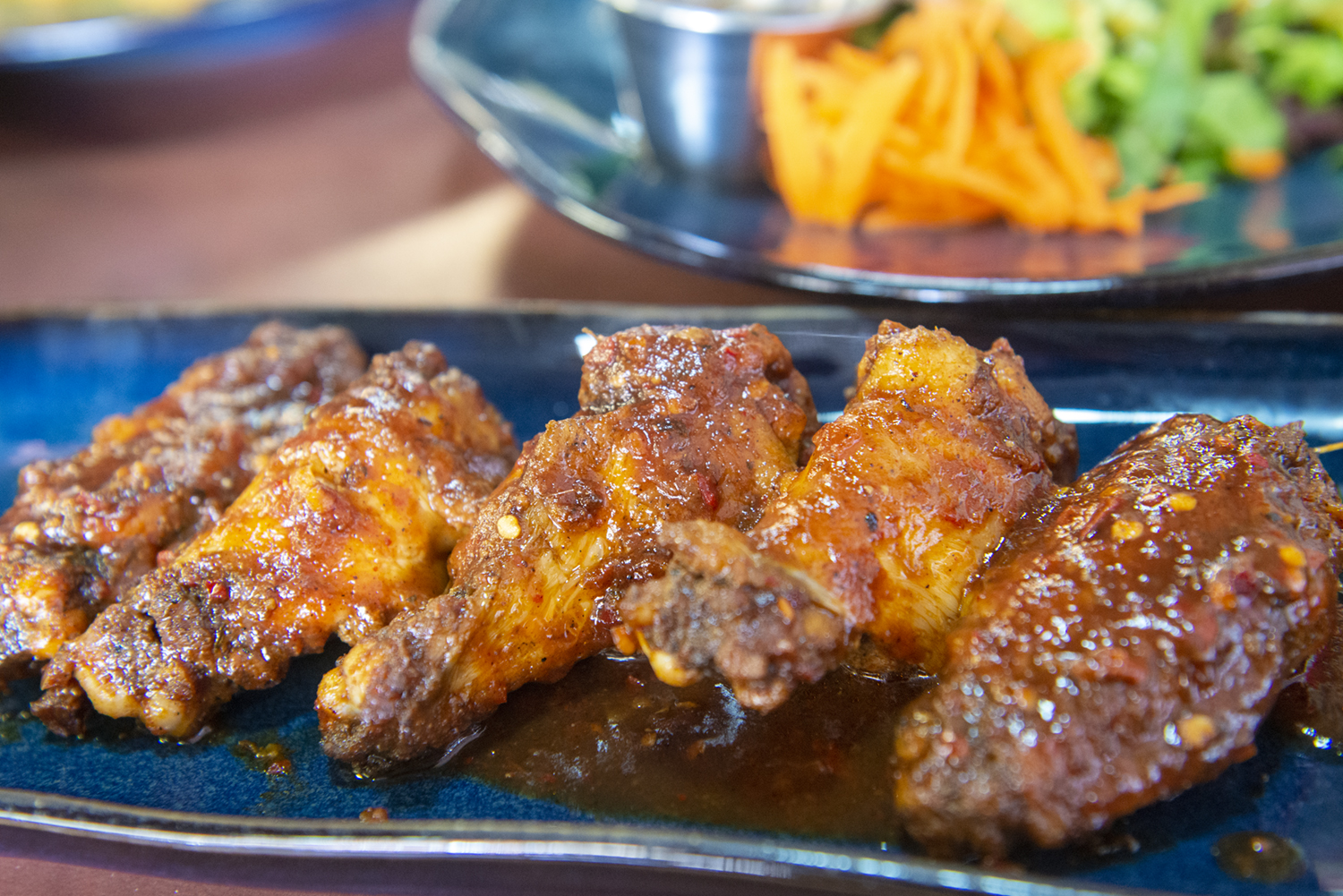
A centennial invites memory, but food never lives in memory alone. It lives in the hand that grates coconut, in the cook who knows when cassava has dried enough for bammy, in the market woman who can tell by smell whether a breadfruit is ready for roasting. When we talk about a Caribbean food centennial, we are not simply marking one hundred years on a calendar. We are tracing one hundred years of adaptation, survival, trade, migration, creativity, and pride, all expressed through the daily act of feeding a family and the larger act of defining a people.
Caribbean food has never been static. It has always carried the region’s history in a practical way, through ingredients that arrived by force, by commerce, by necessity, and by imagination. African cooking knowledge shaped how starches were handled, how stews were layered, how one-pot meals became anchors of everyday life. Indigenous communities contributed cassava, pepper techniques, and an understanding of local land and sea. European colonizers imposed systems that changed farming, labor, and access to food. Indian indentured workers brought spice habits, flatbreads, and new interpretations of curry. Chinese migrants influenced frying methods, seasonings, and retail food culture. Lebanese and Syrian traders altered mercantile patterns and, in some places, everyday eating habits. The result is a cuisine that does not fit neatly into a single storyline, because the Caribbean itself has never fit neatly into one.
That complexity is what makes the centennial frame so useful. A hundred-year view is long enough to reveal real change, but close enough to remain intimate. Grandparents still remember what earlier food economies looked like. Some kitchens still hold the same mortar, coal pot, fish kettle, or enamel basin that their owners used decades ago. There are people alive today who can describe the shift from backyard rearing to supermarket meat, from fresh cane juice to bottled soft drinks, from village bread to imported sliced loaves, from bush tea to commercial breakfast beverages. Food history here is not abstract. It sits on the table.
A century seen through the plate
If you compare Caribbean cooking from the 1920s and 1930s to what appears on many tables now, the first major difference is not flavor but food systems. Earlier in the century, island diets were much more tightly bound to seasonality, local catch, and what households could grow, barter, cure, or preserve. Fresh fish often moved from sea to pot within hours. Ground provisions such as yam, dasheen, eddoes, sweet potato, cassava, and green banana were staples because they were filling, resilient, and available. Saltfish, salt beef, smoked herring, and pickled meats mattered not because they were fashionable, but because preservation was practical in humid climates and uneven supply chains.
What people ate also depended sharply on class, geography, and colonial economics. Plantation structures left deep marks on diets. In some islands, export agriculture was prioritized over diversified local food production, a pattern with consequences still visible today. Sugar, bananas, cocoa, coffee, and spices generated wealth for others, while ordinary households made extraordinary meals from modest means. That is one of the defining strengths of Caribbean cooking. It does not romanticize hardship, but it does demonstrate how skill turns scarcity into abundance.
A pot of rice and peas is a useful example. To outsiders it may look simple, but anyone who has cooked it properly knows how much judgment sits inside that pot. The coconut milk must not be watery. The peas or beans need enough structure to hold but enough softness to enrich the broth. Thyme has to be present, not dominant. Scallion, onion, garlic, Scotch bonnet, allspice, and salt each pull their weight. The rice should emerge separate and fragrant, not greasy or mushy. This is peasant ingenuity elevated through repetition into culinary authority.
Across the region, parallel stories unfold in dishes with different names and accents. Pelau in Trinidad and Tobago, cook-up rice in Guyana, rundown in Jamaica, fungi and pepperpot in Antigua and Barbuda, oil down in Grenada, souse in several islands, callaloo in many forms, roti wrapped around curried fillings, patties carried in paper bags, doubles eaten on the move, bake and shark assembled to personal taste, conch prepared according to local waters and local law. Caribbean cuisine shares a family resemblance, but every island insists on its own grammar.
The kitchen as archive
Some of the most important records of Caribbean food were never written down. They were measured by eye, taught by correction, and guarded through habit. A recipe might say “a little browning” or “enough flour to feel right,” which sounds vague until you realize that these are not evasions. They are evidence of embodied knowledge.
I have spent enough time in Caribbean kitchens to know that a formal recipe can be only half the truth. The other half is sensory. It is the sound of coconut milk reducing. It is the shift in aroma when green seasoning hits hot oil. It is the point at which a curry turns from raw and dusty to rounded and deep. It is the look of a properly fried plantain, caramelized at the edges, soft but not collapsed. These are the details that grandmothers, market cooks, fishermen, and roadside vendors understand without needing a scale.
That is why food centennials matter. They encourage preservation not just of recipes, but of methods, gestures, and contexts. A handwritten note for black cake tells you ingredients. Watching an experienced baker soak fruits, judge batter density, and decide exactly when enough burnt sugar has gone in tells you everything else. The difference between edible and unforgettable often lives in those unwritten decisions.
At the same time, oral tradition can be fragile. Migration breaks continuity. Urban life compresses time. Convenience food alters taste memory. If no one learns how to clean a breadfruit, make proper cassava pone, scrape and wash pig tail, blend fresh seasoning, or prepare a full Sunday meal without packaged shortcuts, then part of the archive disappears. Not the idea of the dish, but its original logic.
Migration changed the menu, and enriched it
No serious account of the last hundred years of Caribbean food can ignore migration. People moved within the region, to Central and South America, to Britain, Canada, and the United States, and back again. They carried recipes with them, then adapted them to colder climates, different markets, tighter schedules, and unfamiliar regulations.
That is how you end up with Caribbean bakeries in Toronto with a pastry case that reflects several islands at once. It is how London became a city where jerk seasoning entered mainstream consciousness, even if what many restaurants serve under that name only loosely resembles the best versions found in Jamaica. It is how New York neighborhoods developed dense food corridors where Trinidadian roti shops, Guyanese Chinese restaurants, Haitian griot specialists, Dominican lunch counters, and Jamaican patty bakeries coexist and influence one another.
Migration also changed the cuisines back home. Returnees brought expectations shaped abroad. Imported goods became status markers in some decades. Tinned sausages, corned beef, powdered milk, breakfast cereals, and processed snacks took on symbolic value beyond their nutritional worth. In more recent years, diaspora demand has helped sustain exports of pepper sauces, spice blends, frozen breadfruit, cassava products, and artisanal rum. Culinary prestige now travels in both directions.
This back-and-forth has produced both gains and losses. The gain is creative range. Caribbean cooks abroad became experts at substitution, and in doing so often invented new classics. The loss is that some younger generations know the restaurant version of a dish better than the household version. A currant roll from a bakery is not the same thing as one made at home with uneven edges and a filling your aunt insists should be heavier on spice. Both matter, but they do different cultural work.
What modern Caribbean food gets right
For all the handwringing about “authenticity,” modern Caribbean cooking is doing many things exceptionally well. Young chefs across the region are treating local ingredients with renewed seriousness. They are buying from small farmers, reviving forgotten produce, refining presentation without stripping identity, and studying the science behind traditional techniques. Some of the best menus now balance elegance with honesty. They do not apologize for provision, saltfish, okra, sorrel, tamarind, breadfruit, goat, conch, or cassava. They center them.
This shift is overdue. For years, local ingredients were too often treated as humble at home and exotic abroad. Fine dining leaned European even where the surrounding land and sea offered more distinctive possibilities. That pattern is changing. Breadfruit appears in polished dining rooms as puree, chips, roasted wedges, and fermented flour products. Local cacao is discussed with the same seriousness once reserved only for imported desserts. Sea moss, once dismissed by some as old-fashioned, has re-entered the conversation through wellness trends, though not always with enough cultural credit attached.
There is also a growing confidence in regional beverage traditions. Fresh juices, bitters, cacao tea, sorrel, mauby, peanut punch, Irish moss drinks, bush infusions, and small-batch rums tell a more precise story about place than generic cocktails ever could. Beverage culture often gets less scholarly attention than food, but it deserves more. Drinks carry memory too.
One of the most promising developments is the rehabilitation of so-called poor people food. Cassava, breadfruit, pigeon peas, and local greens were once undervalued by portions of the middle class chasing imported habits. Now they are returning as climate-smart, nutritionally useful, and culturally rooted ingredients. caribbean food centennial This is not nostalgia for hardship. It is a practical recognition that the old pantry often contains answers for the future.
The difficult truth about health
A centennial reflection has to confront the less celebratory part of the story. Over the last several decades, many Caribbean nations have seen steep increases in diet-related illness, including obesity, hypertension, and diabetes. The causes are complicated but not mysterious. Imported ultra-processed food became cheap and widely available. Sugary drinks entered daily routines. Fast food expanded. Sedentary work increased. Agricultural policy often lagged behind nutritional realities. In some places, the food easiest to access became the food most likely to cause long-term harm.
This is where sentimental writing about heritage can become unhelpful. Not every old habit deserves revival, and not every modern habit deserves condemnation. Traditional cooking can be deeply nourishing, but it can also be heavy in salt, sugar, and saturated fat depending on how dishes are prepared and how often they are eaten. On the other hand, modern techniques can lighten meals, improve food safety, and widen ingredient access. The question is not whether old is good and new is bad. The real question is what combination of tradition and evidence gives people the best chance to eat well, affordably, and with pleasure.
Take frying. Deep-fried foods have always had a place in Caribbean eating, from festivals and accra to fried fish and plantain. The problem arises when fried convenience products become default daily fare rather than occasional enjoyment. Or take sweet drinks. Sorrel, ginger beer, mauby, and fruit punches can all be excellent, but commercial versions often contain far more sugar than the homemade standards many elders grew up with. The same name on the bottle does not guarantee the same beverage.
The healthiest future for Caribbean food will not come from rejecting the cuisine. It will come from cooking it with discernment. More fresh seasoning, more beans and peas, more ground provisions, more local fish where stocks permit, more vegetables cooked with confidence rather than as an afterthought, and a more realistic relationship with portion size. Those ideas do not erase heritage. They honor it.
Climate pressure is reshaping the table
The future of Caribbean food will be determined as much by weather and trade as by taste. Hurricanes, droughts, rising temperatures, coastal erosion, and changes in fish populations are already influencing what can be grown, caught, priced, and reliably supplied. Anyone who has walked through a market after a storm season knows how quickly abundance can narrow. A crop can be plentiful one month and scarce the next. Fisheries can feel pressure from warming waters and overharvesting. Imported staples can spike in price when shipping routes or global supply chains tighten.
This puts renewed importance on resilience. Older Caribbean foodways developed under conditions of uncertainty, and there is practical wisdom in them. Diverse kitchen gardens are more resilient than dependence on a narrow crop set. Root crops often tolerate shocks better than more delicate produce. Preservation techniques, from drying to pickling to curing, are not quaint relics. They are useful technologies.
The conversation around a Caribbean food centennial should therefore include agriculture, not just recipes. Food identity starts in the field and in the sea. If younger generations do not see farming and fishing as viable livelihoods, then culinary heritage becomes performative, something staged for festivals while real supply comes increasingly from elsewhere. That disconnect is dangerous. A cuisine cannot stay vibrant if its ingredient base is hollowed out.
There are encouraging signs. Agricultural cooperatives, chef-farmer partnerships, school garden programs, and renewed interest in indigenous and neglected crops are helping rebuild local capacity. Some islands are taking breadfruit more seriously as a strategic staple. Others are investing in cassava processing, greenhouse production, and small-scale value-added manufacturing. Progress is uneven, but the direction matters.
Tourism, pride, and the risk of simplification
Tourism has brought money, visibility, and opportunity to Caribbean food. It has also flattened it. Many visitors encounter the region through a short menu of recognizable dishes, often adjusted to familiar tastes. Jerk, curry, rum punch, conch fritters, rice and peas, and tropical fruit become stand-ins for dozens of distinct food cultures. There is nothing wrong with serving beloved crowd-pleasers, but problems begin when the market rewards a caricature more than the real thing.
A hotel buffet can make Caribbean cuisine look repetitive, sweeter than it should be, and less textured than it actually is. The better approach is not to turn local food into spectacle, but to treat it with specificity. Name the island. Name the ingredient. Name the method. Explain why this callaloo differs from another island’s callaloo. Say whether the pepper sauce is mustard-based, vinegar-forward, fruit-fermented, or smoky. Clarify whether the roti is dhalpuri, paratha, or a local variation. Precision builds respect.
The best hospitality operators understand this. They train staff to tell food stories accurately. They buy from local producers where possible. They avoid presenting one island’s dish as though it belongs uniformly to the whole region. That level of care is not just good branding. It is good stewardship.
The next hundred years begin in ordinary places
It is tempting to place the future of Caribbean food in upscale restaurants, food festivals, and media platforms. Those spaces matter, but they are not where the cuisine lives most fully. Its future is being decided in school cafeterias, wholesale markets, community bakeries, fishing docks, neighborhood cookshops, family farms, and crowded households trying to stretch wages without surrendering quality.
Children who grow up knowing the taste of fresh cane juice, ripe Julie mango, stewed pigeon peas, pepperpot, smoked herring, tamarind balls, cassava bread, and properly seasoned fish inherit more than preferences. They inherit reference points. Those reference points make them harder to fool with bland substitutes and easier to interest in preservation, entrepreneurship, and local agriculture later on.
If there is one lesson that emerges from a century of Caribbean food, it is that durability comes from flexibility rooted in memory. The cuisine has survived enslavement, colonial extraction, migration, rationing, storms, economic shocks, and global homogenization because it knows how to absorb pressure without losing its core. It adapts, but it does not evaporate.
That should give the region confidence. The future does not require freezing Caribbean food in its most nostalgic form. It requires protecting what is essential while improving what needs improvement. Better school meals using local produce. Smarter public health campaigns that work with culture rather than against it. More serious archiving of recipes, oral histories, and kitchen techniques. Fairer support for farmers and fisherfolk. Clearer labeling and stronger local manufacturing standards. Ambitious chefs who respect ordinary cooks. Ordinary cooks who know that what they do is already a form of expertise.
A centennial is not just a celebration of what endured. It is a test of whether we can recognize value before it disappears. Caribbean food has earned that recognition many times over. It is one of the region’s great intellectual, agricultural, and artistic achievements, even when served in the humblest dish. Its past is crowded with struggle, its present with invention, and its future with hard choices that will shape who gets to taste what the Caribbean really is.
The table, as ever, remains the clearest place to begin.
Reggae Pot Jamaican Grill
Address: 7562 S University Blvd Unit C, Centennial, CO 80122
Phone: (303) 997-5623
FAQ About caribbean food centennial
What Jamaican dishes can I try in Centennial?
Reggae Pot Jamaican Grill serves Jamaican specialties such as jerk chicken, stewed oxtail, curry goat, and ackee and saltfish. Check the current menu for availability.
What is ackee and saltfish?
It is Jamaica’s national dish. The restaurant prepares ackee with salted cod, onions, thyme, tomatoes, garlic, black pepper, and pimento.
Can I order Jamaican food for pickup in Centennial?
Yes. Choose the Centennial location at 7562 S University Blvd Unit C when placing a takeout order.